30 September 2025
Is Your Data Working Against You?
#AI ethics · #user data ownership · #digital economy · #data privacy · #big tech data use · #ethical AI · #data value imbalance · #transparent AI · #data consent · #future of data economy
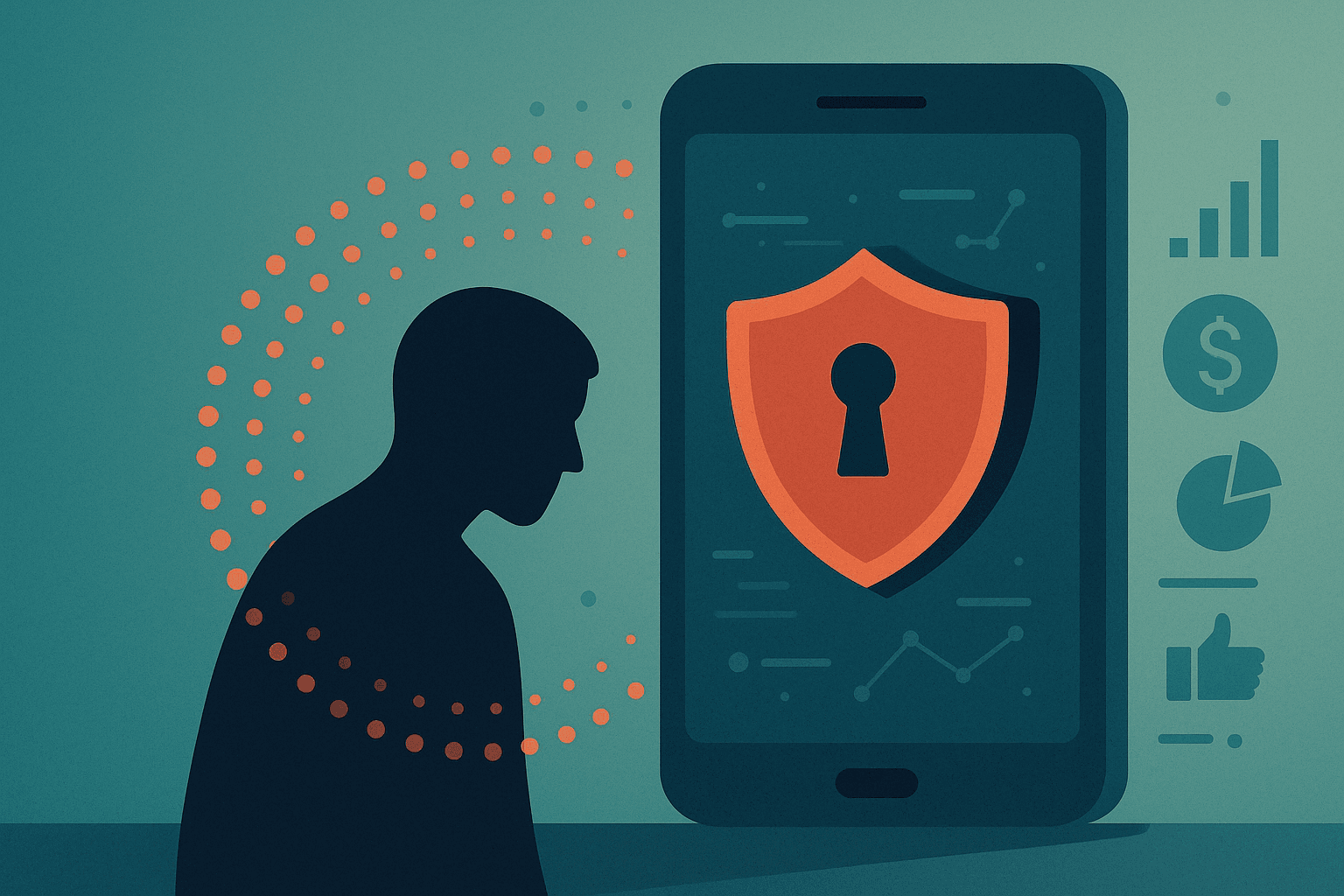
Data is often seen as harmless — a background byproduct of our digital lives. Every phone unlock, every map search, every wearable ping feels like an innocent trace. But in reality, data is anything but neutral. It fuels one of the most profitable industries on the planet, shaping not only the services we use but also the decisions made about us. The uncomfortable truth? Your own data may be quietly working against you.
The Hidden Trade in Everyday Data
The data economy thrives on scale. A single location ping or late-night search might not seem like much. But when aggregated with millions of others and analyzed by machine learning systems, it forms an incredibly accurate picture of who you are — your habits, routines, risks, and desires. This information then becomes the foundation of an invisible trade: your data fuels predictions that companies monetize, often in ways you never see.
- Purchase predictions: Retailers know when you’re about to run out of household items and target you with reminders — not to save you money, but to lock you into their ecosystem.
- Behavioral manipulation: Social platforms understand the emotional triggers that keep you scrolling, serving outrage when engagement dips, or humor when they need to lift your mood back up.
- Risk profiling: Banks and insurers quietly analyze patterns in your online activity — the time of day you transact, the neighborhoods you visit — to recalibrate your risk category.
This isn’t personalization in your favor. It’s personalization for profit. Your data is the raw material, but the outcomes are designed for someone else’s gain.
Convenience or Control?
Much of this dynamic hides behind convenience. We welcome personalization because it feels like technology is working with us. Apps make life smoother:
- Maps: adjust our commute in real time, bypassing traffic jams.
- Music apps: queue songs that match our mood before we even think of them.
- Online stores: remember our sizes and preferences, reducing the friction of every purchase.
But here lies the paradox: convenience often comes at the cost of control. Recommendation engines narrow our exposure, dynamic pricing decides who pays more, and “free” services bind us to platforms that profit endlessly from our digital trails.
The Growing Imbalance
At the core of this issue is ownership of data. Today’s system is brutally simple:
- You: generate the data, through daily actions that cannot be avoided.
- They: collect, process, own, and monetize that data — often in perpetuity.
This imbalance extends far beyond money. By controlling digital footprints, companies influence:
- Information flow: deciding which news or posts rise to your feed — and which disappear.
- Market dynamics: shaping how goods are priced and targeted.
- Opportunity access: filtering who gets loans, jobs, or housing offers.
The Challenge
Data is no longer a byproduct — it has become a form of soft power. Billions of users generate it, but only a handful of corporations capitalize on it. Worse, the same data can be used against the people who produce it — through discriminatory pricing, targeted persuasion, or exclusion from opportunities.
The Way Forward
Fixing this isn’t about privacy settings. It requires rethinking the fundamentals of consent, transparency, and value distribution. What if individuals could not only decide how their data was used, but also share in the rewards it creates? What if the balance of power tilted back toward the people who fuel the system?
Conclusion
Your data isn’t passive. It is active — shaping prices, guiding recommendations, and fueling profit models worth billions. For now, it rarely works in your favor. But that doesn’t have to remain true. A more ethical, transparent, and empowering model is possible — one where the data you create finally starts to work for you, not against you.