10 September 2025
The Hidden Cost of AI: What We Trade for Convenience
#hidden cost of AI · #AI and data privacy · #AI ethics · #personal data in AI · #AI and user consent · #ethical AI · #data ownership · #AI trust issues · #AI and transparency · #big tech data usage · #AI and surveillance · #AI and personal data · #responsible AI · #AI and convenience trade-off · #how AI uses your data
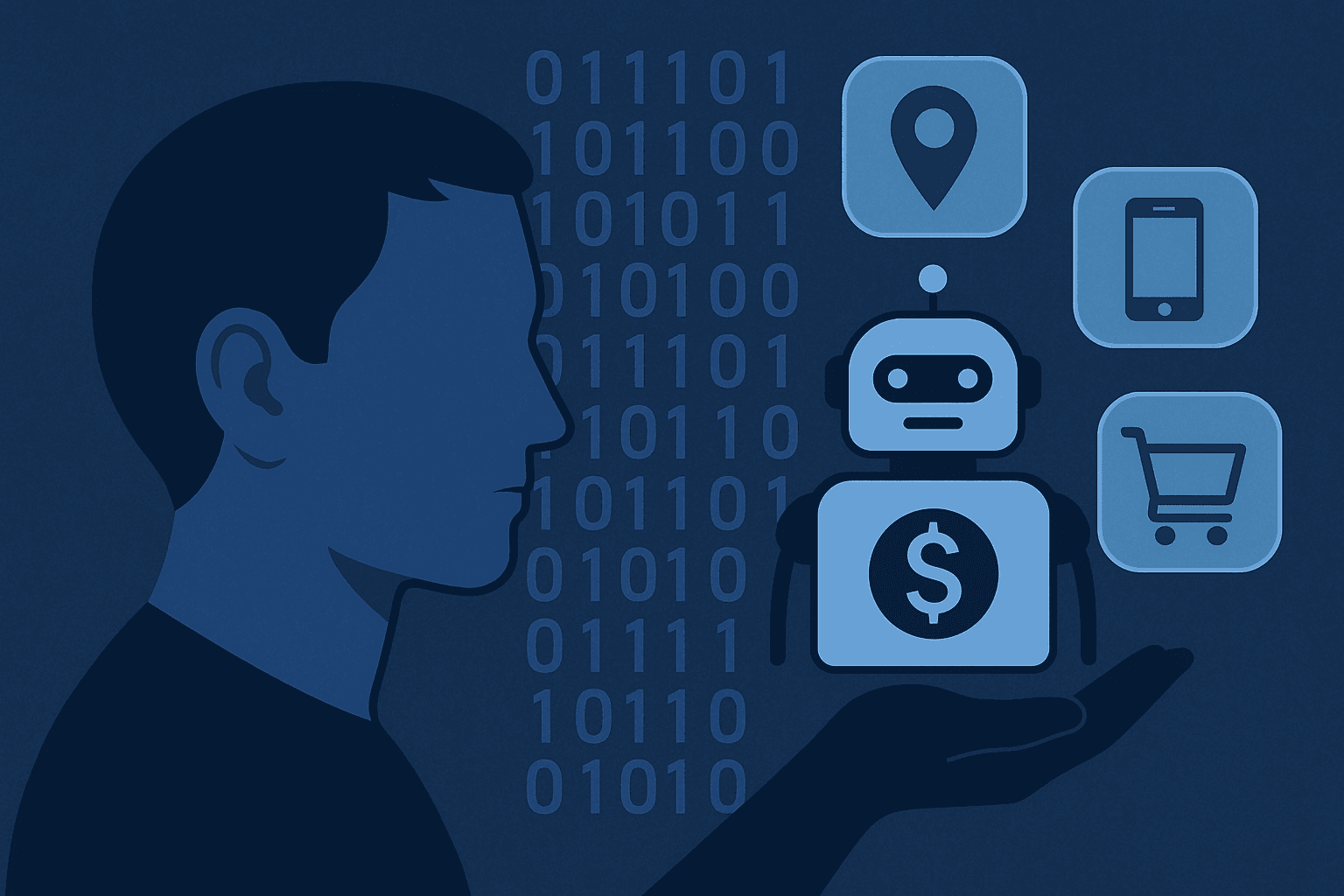
Artificial Intelligence is everywhere — from navigation apps to voice assistants, shopping recommendations, and even medical diagnostics. These tools promise to make our lives easier, faster, and more personalized. But behind the smooth experience lies an uncomfortable truth: the price of convenience is often paid with our personal data. Every interaction we have with technology leaves a digital footprint, and in many cases, that footprint is more valuable than the service we receive in return.
The Comfort of Convenience
We’ve all come to rely on AI in daily life. Smart assistants remind us of meetings, streaming platforms curate entertainment, and e-commerce sites know exactly what we might want to buy. These experiences are powered by massive datasets that capture our behavior, preferences, and even subtle patterns we don’t consciously notice. The more we use these services, the better they seem to “understand” us.
But this level of personalization comes at a hidden cost. The data fueling these AI systems doesn’t appear out of thin air — it is collected, packaged, and monetized, often without our full awareness or meaningful consent.
The Hidden Exchange
When we download a free app or sign up for a “smart” service, we enter into a hidden transaction. The terms of this deal are rarely transparent. Instead of paying with money, we pay with our data. That data might include:
- Location data: Where we go, how often, and how long we stay.
- Behavioral data: How we browse, click, and interact online.
- Device data: Information about our smartphones, sensors, and even battery status.
- Personal identifiers: Names, emails, purchase history, and more.
Once collected, this data is aggregated, sold, or shared to train machine learning models, optimize advertising campaigns, or fuel recommendation engines. The benefit to companies is clear — but the benefit to users is far less obvious.
The Ethical Dilemma
Most users have little visibility into how their data is used, who profits from it, or how securely it is stored. While companies often cite “user consent,” that consent is typically buried in lengthy terms and conditions that few ever read. This creates a system where:
- Users give up valuable personal data without realizing its true worth.
- Companies reap enormous profits by monetizing aggregated datasets.
- AI models are trained on information that was never ethically sourced.
The imbalance of value is stark: we hand over detailed information about our lives, but in return, we only receive slightly better app experiences or targeted ads we never asked for.
The Long-Term Risks
Beyond immediate privacy concerns, there are deeper consequences to this imbalance. Unethical data practices undermine trust in AI. If users feel exploited or manipulated, they will resist adopting new technologies. Furthermore, AI models trained on poorly sourced or biased data risk perpetuating inequalities and inaccuracies at scale.
In the long run, the unchecked collection and monetization of data could erode both user trust and the potential of AI itself. Without reform, we risk building systems that are highly advanced technically but fundamentally flawed ethically.
Conclusion
The convenience of AI-powered services masks a hidden cost: our personal data is being used as currency. While the trade-off may seem harmless — a free app in exchange for some anonymized information — the reality is more complex and far-reaching. The current system leaves users with little control, little transparency, and almost no share in the value their data creates.
This imbalance raises important questions: What does ethical AI look like? How can we ensure that the benefits of data are shared fairly? And most importantly, how can we move from a system that exploits data to one that empowers people? These are the questions we will begin to explore in the next chapter of our series on Ethically Trained AI.
This article is part of our ongoing series on the future of AI and data ethics. Stay tuned for the next installment, where we will dig deeper into how big tech uses personal information — and what that means for everyday users.