2 July 2024
Mastering Modern Web Development Tools: Introduction
#Web Development · #Best Practices · #Code Quality · #Essential Tools
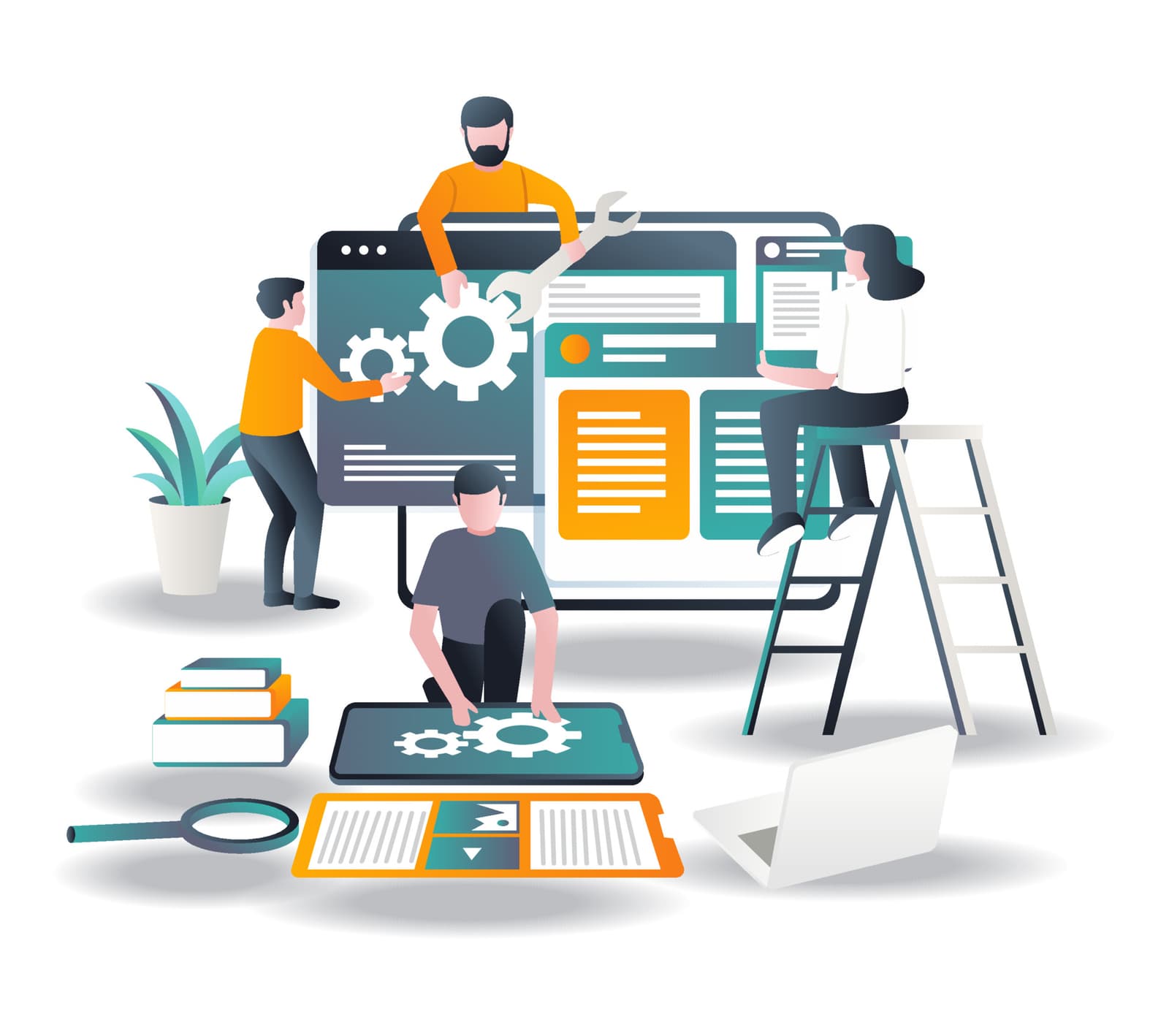
In this new blog series, we’ll be diving into some of the most essential tools and practices for modern web development. Today, we’ll start with an introduction to the series and why mastering these tools is crucial for every developer.
The Importance of Modern Web Development Tools
Web development has come a long way from the days of static HTML pages and simple CSS styles. Today, building a robust, scalable, and maintainable web application requires a plethora of tools and technologies. These tools not only make the development process more efficient but also help in maintaining a high standard of code quality.
Here at The Gyld, we constantly strive to stay updated with the latest trends and best practices in web development. By mastering modern web development tools, we can ensure that our projects are delivered on time, within budget, and with exceptional quality.
Overview of the Series
In this series, we’ll cover a range of tools and technologies that are essential for modern web development. Each blog post will focus on a specific tool or practice, providing an overview, practical tips, best practices, and real-world examples.
Here’s a sneak peek at what we’ll be covering:
1. Version Control with Git and GitHub
Understanding the basics of Git and setting up repositories on GitHub. Best practices for version control.
2. Automated Testing with Jest and Cypress
The importance of testing in web development. Getting started with Jest for unit testing and Cypress for end-to-end testing.
3. Package Management with npm and Yarn
Managing dependencies with npm and Yarn. Best practices for package management.
4. Building and Bundling with Webpack
An introduction to Webpack and its importance. Setting up a basic Webpack configuration and exploring advanced features.
5. CSS-in-JS with styled-components and Emotion
Introduction to CSS-in-JS and how to use styled-components and Emotion for dynamic styling.
6. State Management with Redux and MobX
Understanding state management in React applications. Getting started with Redux and MobX.
7. Static Site Generators with Next.js and Gatsby
Building fast, optimized static sites with Next.js and Gatsby. Exploring the benefits of static site generators.
8. Continuous Integration and Deployment with GitHub Actions
An introduction to CI/CD. Setting up GitHub Actions for automated workflows and best practices for CI/CD pipelines.
9. API Development and Testing with Postman
Building and documenting APIs with Postman. Using Postman for API testing and automating tests.
10. Monitoring and Performance Optimization with Lighthouse and Google Analytics
Using Lighthouse for performance audits and tips for optimizing web performance. Leveraging Google Analytics for monitoring user behavior and performance metrics.
11. Containerization and Orchestration with Docker and Kubernetes
Introduction to Docker and Kubernetes for containerization and orchestration. Setting up a development environment and deploying applications using Docker and Kubernetes.
12. Automated Testing and Continuous Integration with Jest and Jenkins
Ensuring code quality and reliability with automated testing. Integrating Jest for testing and Jenkins for continuous integration and deployment.
13. Progressive Web Apps (PWAs) with Workbox and Service Workers
What are PWAs and why build them? Converting a web app into a PWA and best practices for PWAs using Workbox and Service Workers.
14. Serverless Architecture with AWS Lambda and Azure Functions
Building scalable and cost-effective applications with serverless architecture. Getting started with AWS Lambda and Azure Functions for serverless computing.
15. Data Visualization with D3.js and Chart.js
Creating interactive and informative data visualizations using D3.js and Chart.js. Best practices for data visualization in web applications.
16. Real-time Communication with Socket.io
Understanding real-time communication and setting up a real-time app with Socket.io. Best practices for handling real-time data.
17. GraphQL for Modern Data Fetching
Introduction to GraphQL. Setting up a GraphQL server and querying data in client applications.
The Gyld’s Commitment to Staying Current
At The Gyld, we understand the importance of staying current with technological advancements. The landscape of web development is constantly changing, and we strive to keep our skills sharp and our practices modern. By embracing new technologies and methodologies, we can improve our efficiency and deliver better solutions to our clients.
Conclusion
Mastering modern web development tools is crucial for staying competitive in today’s fast-paced tech industry. By understanding and utilizing these tools, we can enhance our productivity, improve code quality, and deliver exceptional results. Stay tuned for the upcoming posts in this series, where we’ll dive deeper into each tool and practice.
Remember, the key to success in the ever-evolving world of web development is to keep learning, stay curious, and embrace change. That’s the Gyld way.